
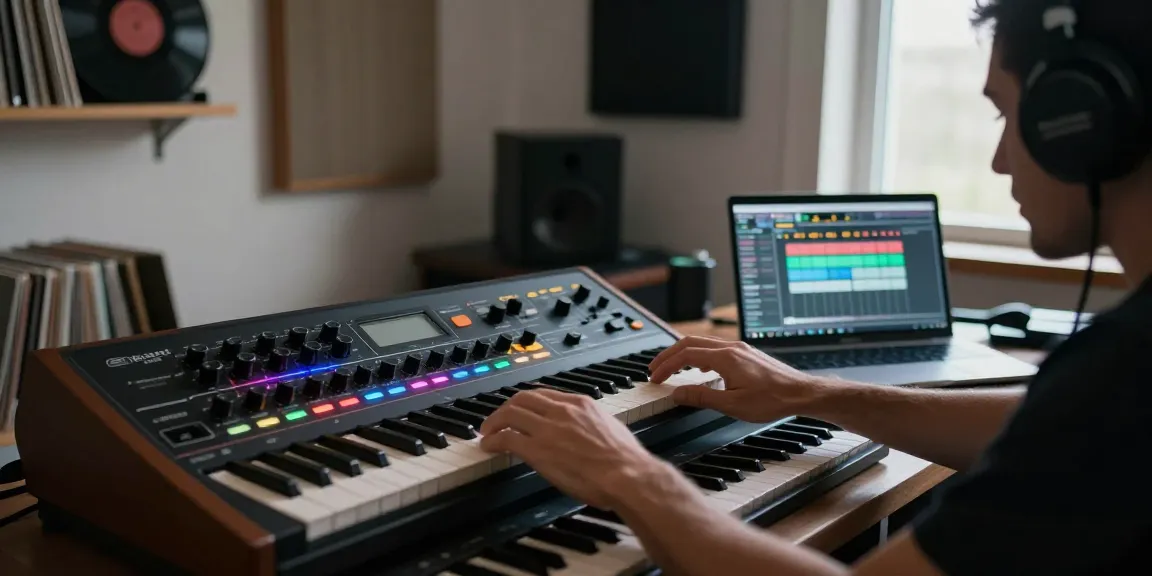
Overview of the SC88 Sound Module
The SC88 is a versatile and powerful sound module from Roland, widely recognized for its unique sound capabilities and robust features that cater to both music producers and live performers alike. Launched in the mid-90s, the SC88 has become a staple in many studios due to its extensive library and compatibility with various music production setups. As the landscape of music production continues to evolve, the SC88 remains relevant, providing users a bridge between traditional MIDI and modern production techniques. When exploring options, SC88 provides comprehensive insights to enhance your musical endeavors.
What Makes the SC88 Unique?
One of the standout features of the SC88 is its extensive sound library, which includes over 650 high-quality sounds and 354 patches. This variety allows musicians to explore different genres and styles easily. The inclusion of advanced MIDI capabilities and the ability to layer sounds make it an ideal choice for both studio and live performance scenarios. Moreover, the SC88’s compatibility with General MIDI (GM) and Roland’s proprietary GS format means it can work effortlessly with a wide range of MIDI-compatible software and hardware.
Technical Specifications and Features
The SC88 is designed with an array of technical specifications that support its reputation as a high-end sound module:
- Wave Memory: 8 MB, providing a rich set of samples and sounds.
- Polyphony: 64 voices, allowing for complex arrangements without dropping notes.
- MIDI Channels: 16, making it suitable for multi-timbral applications.
- Effects Processing: Built-in chorus, reverb, and various other effects enhance sound quality.
These specifications contribute to its flexibility, allowing musicians to create intricate soundscapes with ease.
Understanding Compatibility with Modern DAWs
As technology advances, ensuring that older equipment like the SC88 fits into modern digital audio workstations (DAWs) is crucial. Thankfully, the SC88 maintains compatibility with major DAWs like Ableton Live, Logic Pro, and Cubase. Users can connect the SC88 through MIDI interfaces, ensuring seamless integration. The setup typically involves configuring MIDI channels within the DAW and routing the audio output correctly. With the right connections, the SC88 can serve as both a sound source and a controller, enhancing workflow efficiency.
Setting Up Your SC88 in a Home Studio
Creating the ideal home studio setup for the SC88 involves several considerations. The right environment, equipment, and connections are essential for optimal performance and sound quality.
Essential Equipment for Optimal Performance
To get the best performance from your SC88, consider investing in the following equipment:
- MIDI Interface: Allows connection to your computer for MIDI communication.
- Audio Interface: Ensures high-quality audio output for recording and playback.
- Studio Monitors: Provides accurate sound reproduction, crucial for mixing and mastering.
- DAW Software: A reliable platform for composing, recording, and editing music.
Step-by-Step Setup Guide
Setting up the SC88 in your home studio can be broken down into several easy steps:
- Connect the SC88 to your MIDI interface: Use a MIDI cable to connect the MIDI Out of your SC88 to the MIDI In of your interface.
- Connect the SC88 to your audio interface: Use line outputs to connect the SC88 to the inputs of your audio interface.
- Install any necessary drivers: Ensure that your MIDI interface is recognized by your computer.
- Open your DAW: Configure your MIDI settings to include the SC88 as an input device.
- Test the Setup: Play a few notes on the SC88 to ensure sound is being transmitted to the DAW.
This streamlined process allows you to harness the SC88’s capabilities effectively.
Troubleshooting Common Issues
In any setup, users may encounter issues. Here are some common problems and solutions:
- No Sound Output: Check all cable connections and ensure that your audio interface is set to the correct input.
- MIDI Not Responding: Verify that the MIDI settings in your DAW are configured correctly.
- Poor Audio Quality: Ensure you’re using high-quality audio cables and check for any latency settings in your DAW.
Exploring Sound Design with the SC88
The SC88 is not just a sound playback device; it is a powerful tool for sound design. Musicians can manipulate and customize sounds to fit their specific needs.
Customizing Instrument Patches
One of the most creative aspects of using the SC88 is the ability to customize instrument patches. Users can adjust parameters such as attack, decay, sustain, and release (ADSR) to create unique sounds. Moreover, the SC88 allows you to layer instruments, enabling richer textures and harmonies. Experimenting with various combinations can lead to unexpected and exciting sonic results.
Using Effects and Enhancements
The SC88 includes built-in effects that can be used creatively to enhance sounds. Effects like reverb and chorus can add depth and dimension, while distortion can create unique textures. Users can experiment with different effect combinations to find their signature sound. Additionally, using external effects processors can expand the sonic possibilities further.
Tips for Crafting Unique Sounds
To stand out in music production, it’s essential to craft unique sounds. Here are a few tips:
- Experiment with different sound layers: Combine multiple instruments to create a fuller sound.
- Utilize effects creatively: Don’t hesitate to push the boundaries of effects usage.
- Record live performances: Capture spontaneous playing for authentic sound textures.
Incorporating the SC88 into Music Production Workflows
The SC88 is a valuable asset in any music production workflow, allowing for seamless integration into various setups.
Integrating with MIDI Controllers
Many musicians use MIDI controllers alongside the SC88 to create dynamic performances. By mapping controls on your MIDI controller to the parameters of the SC88, you can enhance the playability and responsiveness of your setup. This integration can be particularly advantageous for live performances, where real-time adjustments are crucial.
Layering Sounds for Richer Mixes
Layering sounds is a powerful technique in music production. By using the SC88 to layer different instruments, you can create a more dynamic and full mix. Consider layering a string sound with a pad to evoke a more emotional response or adding percussive elements to enhance rhythmic sections. This technique can significantly elevate your music production quality.
Real-World Case Studies of SC88 Use
Many successful artists and producers have integrated the SC88 into their workflows. For instance, renowned electronic musicians often utilize the SC88 for its rich sound library and compatibility with other instruments. By analyzing their techniques and setups, you can gain valuable insights and inspiration for your productions.
Future Trends and Innovations with the SC88
As technology continues to advance, the SC88 is positioned to remain relevant through upgrades and innovations.
Potential Upgrades and Software Developments
Manufacturers are continuously upgrading software and firmware, enhancing the SC88’s functionality. Users can expect future updates that improve compatibility with newer DAWs, introduce new sounds, and enhance user interface features. Staying updated with these developments ensures that the SC88 continues to meet the needs of modern music production.
Emerging Techniques for Sound Production in 2026
As we move into 2026, new techniques for sound production are likely to emerge. These may include advancements in AI-assisted music creation, allowing the SC88 to harness machine learning to analyze music trends and automatically suggest sounds or patches that fit well within a track. Such innovations could redefine how musicians interact with their equipment.
Staying Ahead in the Evolving Music Landscape
Remaining informed and adaptable is crucial as the music industry evolves. Engaging with online communities, attending workshops, and following industry news can provide valuable insights and keep your skills sharp. Embracing new technologies while leveraging the timeless features of the SC88 will ensure you remain competitive as a music producer.
What are the key features of the SC88?
The SC88 includes powerful features such as a large sound library, robust MIDI capabilities, and high-quality audio processing that make it ideal for various applications in music production.
How do I connect the SC88 to my DAW?
Connect the SC88 to your DAW through a MIDI interface, ensuring you correctly configure the MIDI settings to route signals effectively.
Can the SC88 produce modern sounds?
Yes, the SC88 is capable of producing contemporary sounds and styles, making it a versatile tool for modern musicians.
What maintenance does the SC88 require?
Regular software updates and ensuring MIDI and audio connections are functioning correctly are essential for optimal performance. Additionally, keeping the device free from dust will prolong its lifespan.
Is the SC88 suitable for live performances?
Absolutely, the SC88 is designed for live settings, providing quick sound changes and reliable performance when integrated with other equipment.

