Understanding the Latest Home Electronics Trends
In today’s fast-paced world, home electronics have evolved beyond mere gadgets; they are essential components of our daily lives. With the growing emphasis on convenience and efficiency, innovations in smart home technology are shaping how we interact with our living spaces. This article will explore these trends, offering insights into choosing the best electronics for your home and the impact these devices have on your daily living. If you’re looking to transform your home into a modern oasis of technology, https://rokok88.fyi can be a valuable resource for the latest products and solutions.
Current Innovations in Smart Home Technology
The smart home market has witnessed a significant surge in recent years, driven by advancements in Internet of Things (IoT) technology, artificial intelligence (AI), and user-centric design. These innovations allow for seamless integration of devices that can communicate with one another, creating a cohesive ecosystem. Smart thermostats, for instance, learn user preferences over time and optimize energy usage, leading to reduced bills and increased comfort.
Moreover, smart lighting systems enable users to control illumination through voice commands or mobile apps, enhancing convenience and ambiance. Security systems have also benefited from technological advancements, with features such as real-time monitoring, remote access, and facial recognition, providing homeowners peace of mind.
How to Choose the Right Electronics for Your Home
Selecting the right electronics involves more than just choosing the latest models; it requires understanding your specific needs and how these devices will fit into your lifestyle. First, consider the functionality you require. For example, if security is a priority, investing in a smart doorbell with video capabilities might be wise. On the other hand, if entertainment and connectivity matter most, a robust home theater system could be your focal point.
Additionally, compatibility is crucial. Ensure that the devices you choose can work together within a single ecosystem, such as Google Home or Amazon Alexa, to maximize their potential. Don’t forget to consider factors such as energy efficiency, design, and customer support when making your decisions.
Impact of Smart Devices on Daily Living
The integration of smart devices into our homes has transformed everyday routines. From automating mundane tasks to enhancing entertainment experiences, the impact is profound. Smart kitchen appliances, such as ovens that can be preheated remotely, facilitate meal preparation, while robotic vacuums save time on cleaning duties.
Moreover, smart assistants can schedule appointments, manage shopping lists, and even control other devices, effectively functioning as a personal concierge. As technology continues to advance, the potential applications of these devices will only expand, further embedding them into our daily lives.
Best Practices for Integrating Electronics into Your Home
Successfully integrating electronics into your home environment requires strategic planning and an understanding of your space. By following best practices, you can create a tech-friendly environment that enhances your lifestyle while ensuring safety and efficiency.
Creating a Tech-Friendly Space
To create a tech-friendly space, start by considering the layout of your home. Identify areas where technology can enhance functionality, such as the kitchen, office, or entertainment areas. Ensure that you have sufficient power outlets and a robust Wi-Fi connection throughout your living space to support multiple devices.
Furthermore, aesthetics matter. Organize wires and cables to prevent clutter, and consider furniture that accommodates technology, such as TV stands with built-in cable management. Design your space in a way that makes technology feel like a natural part of your home.
Maximizing Efficiency with Smart Home Systems
Maximizing efficiency with smart home systems is about creating an interconnected environment. Utilize hubs that can manage multiple devices from different manufacturers, allowing for streamlined control. Set routines that automate tasks, such as turning off lights and adjusting the thermostat when you leave for work.
Energy monitoring systems can also help track usage patterns, enabling you to identify areas where you can save energy and reduce costs over time. By leveraging technology to automate and optimize, you can transform your home into a model of efficiency.
Safety Considerations with Home Electronics
While integrating electronics into your home can enhance convenience, safety should always remain a priority. Begin by ensuring that all installations follow local electrical codes and standards. Invest in surge protectors to safeguard sensitive electronics from power surges.
Regularly update software and firmware on smart devices to protect against vulnerabilities. Additionally, consider using two-factor authentication for added security on devices that store sensitive information. These precautions will help ensure that your home remains a safe haven in an increasingly connected world.
Addressing Common Challenges with Home Electronics
As with any technology, integrating home electronics comes with its set of challenges. From integration issues to maintaining security, it’s essential to be prepared for potential hurdles.
Overcoming Integration Issues
Integration issues can arise when devices from different manufacturers fail to communicate effectively. To overcome these challenges, choose devices known for their compatibility with major smart home platforms. Research user reviews and expert recommendations before making purchases.
Additionally, consider utilizing smart hubs that can bridge gaps between devices, allowing for smoother communication and control across your home network. These hubs can simplify your user experience and streamline device management.
Maintaining Security and Privacy
As homes become smarter, the risk of security breaches increases. Protecting your privacy and ensuring the security of your devices should be paramount. Change default passwords on all devices and use complex, unique passwords that are difficult to guess.
Regularly check device settings for privacy options and disable features that may not be necessary. Familiarize yourself with each device’s data-sharing policies to understand what information is being collected and how it may be used.
Dealing with Technical Difficulties
Technical difficulties are an inevitable part of using electronics. When issues arise, start by troubleshooting basic problems, such as ensuring devices are powered and connected to the Wi-Fi network. Many manufacturers offer online support resources that can guide you through troubleshooting steps or FAQs.
If issues persist, don’t hesitate to reach out to customer support. Documentation for each device should be easily accessible, ensuring you have the information you need at hand.
Real-World Applications of Home Electronics
The versatility of home electronics shines in their applications across various aspects of daily life. From entertainment to health and wellness, these devices serve multiple functions, enhancing overall quality of life.
Case Studies of Successful Smart Home Implementations
Many homeowners have transformed their living spaces through smart technology. For example, the Smith family integrated a smart thermostat, lighting system, and security cameras to create a cohesive smart home. The results were impressive: energy savings of up to 20% and enhanced security that allowed them to monitor their home remotely.
Another example involves the Johnsons, who installed a home theater system with smart capabilities. The seamless integration of audio and visual components allowed them to host movie nights easily, turning their living room into an entertainment hub.
Integrating Entertainment Systems for Family Fun
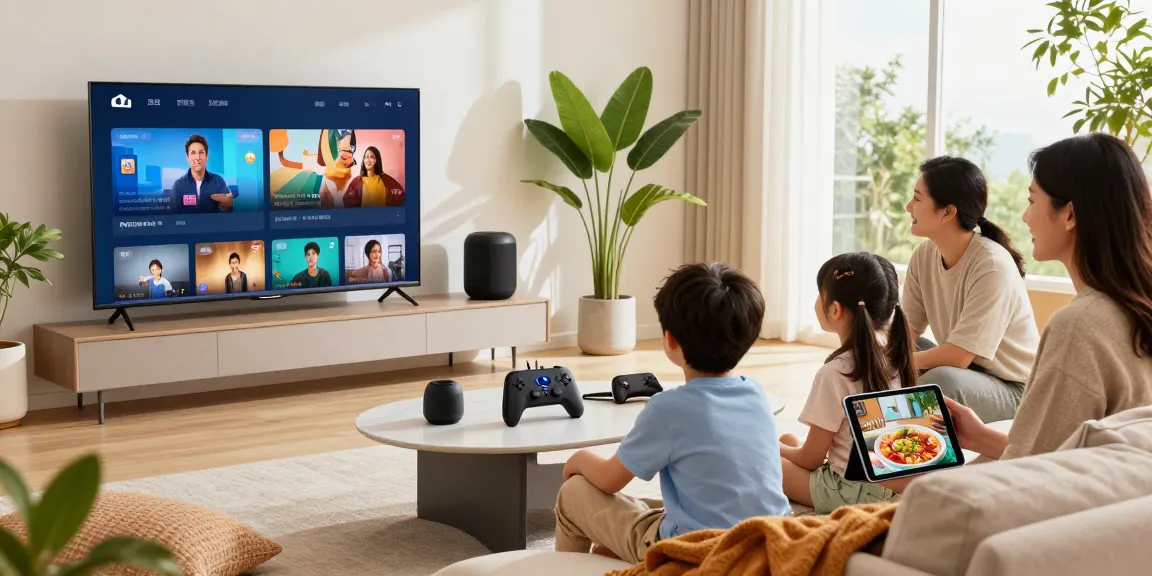
Entertainment systems are a staple in many households, and integrating smart technology can elevate family fun. Consider systems that allow for streaming from various platforms and provide multi-room audio. Features such as voice control and mobile app integration can make it easier for family members to enjoy their favorite content without juggling multiple remote controls.
Smart TVs, projectors, and sound systems can create immersive experiences for family movie nights, gaming sessions, or even virtual reality experiences, bringing everyone together to enjoy shared interests.
Using Electronics for Health and Wellness
Health and wellness have also been positively impacted by home electronics. Wearable devices that monitor physical activity, heart rate, and sleep patterns provide insights into personal health metrics. Smart home gym equipment allows users to access guided workouts and track their progress over time.
Additionally, smart kitchen appliances can assist in meal preparation, promoting healthier eating habits by making nutritious cooking easier and more accessible. The integration of technology in health and wellness is an exciting frontier that continues to grow.
Future Trends in Home Electronics for 2026 and Beyond
As we look toward the future of home electronics, several trends are expected to shape the industry in 2026 and beyond. Understanding these developments can help consumers make informed decisions about their electronics investments.
Predictions for Smart Home Development
The smart home market is projected to expand significantly, driven by advancements in AI and machine learning. These technologies will enable devices to become more intuitive, learning user behaviors and preferences to provide personalized experiences.
Increased emphasis on sustainability will also drive innovation, with more eco-friendly products entering the market. Homes of the future will likely feature energy-efficient systems and devices designed with environmental impact in mind.
Emerging Technologies to Watch
Several emerging technologies will shape the landscape of home electronics. For instance, augmented reality (AR) can revolutionize how users interact with their devices, providing visual guides for installations or repairs. Furthermore, advancements in 5G technology will facilitate faster and more reliable connectivity, enhancing the performance of smart devices.
Blockchain technology may also find applications in the smart home sector, enabling secure transactions and data sharing among devices, enhancing security and privacy for users. Keeping an eye on these developments will be crucial for consumers looking to stay ahead in the rapidly evolving landscape of home electronics.
How to Stay Ahead of the Curve
To ensure that you are not left behind in the world of home electronics, stay informed about product releases, technological advancements, and industry trends. Engage with online communities and forums where enthusiasts share experiences and insights about the latest gadgets.
Consider attending technology expos or workshops focused on smart home technology to gain hands-on experience and knowledge about new products. By remaining proactive, you can ensure that your home stays modern and functional, equipped with the latest advancements in electronics.
What are the benefits of integrating smart home technology?
Integrating smart home technology offers numerous benefits, including increased convenience through automation, enhanced energy efficiency, improved security, and the ability to manage devices remotely for a more connected lifestyle.
How can I choose the best electronics for my needs?
Choosing the best electronics requires evaluating your lifestyle, priorities, and budget. Research products that meet your specific needs and consider their compatibility with existing devices to create a seamless experience.
What common issues might I face with home electronics?
Common issues may include integration challenges, connectivity problems, and security concerns. Being prepared with troubleshooting strategies and understanding each device’s features can help mitigate these challenges.
How do I ensure my smart devices are secure?
To secure your smart devices, change default passwords, enable two-factor authentication, and regularly update firmware and software. Understanding privacy settings and data-sharing policies is also essential in maintaining control over your information.
What trends should I expect in home electronics by 2026?
By 2026, expect to see more intuitive AI-driven devices, enhanced sustainability features, and greater interoperability among different smart home systems. Emerging technologies such as AR, VR, and 5G will also play a significant role in shaping future developments.